


When it comes to financial planning, every family has a unique story. Recently, I worked with a...
With the help of Chat GPT, I wanted to give you an overview of the family formation weight that you may feel or have felt in the past.
If you’re in your 30s or early 40s, there’s a good chance life feels financially heavier than you expected—even if your income has grown.
That isn’t a personal failure - It’s a predictable phase.
Millennials—now roughly ages 30 to 45—are squarely in the most cash-intensive stage of life. These are the years when families are formed, careers accelerate, children arrive, and “fixed costs” quietly become very real.
Housing gets bigger. Childcare replaces free time. Insurance, groceries, activities, and education costs stack up fast.
What many people don’t realize is that family spending follows a curve, not a straight line.
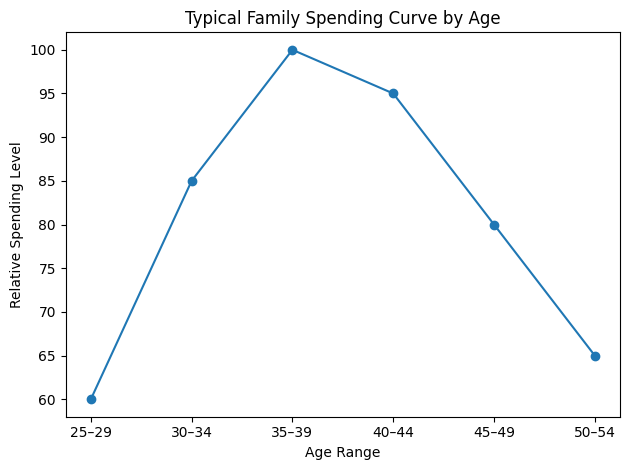
What the Curve Represents
- Late 20s–Early 30s:
Life transitions begin—marriage, first homes, first children. Spending rises quickly. - Mid-30s to Early-40s (The Peak):
Childcare, housing upgrades, activities, vehicles, and daily family logistics dominate cash flow. Income is often strong—but so is the outflow. - Mid-to-Late 40s:
Children gain independence. Expenses stabilize or decline. Flexibility slowly returns. - Early 50s and Beyond:
Daily family spending tapers meaningfully, creating room for wealth building, freedom, and long-term planning—if the earlier years were navigated intentionally.
Why This Matters Economically
On a broader scale, Millennial families are currently a major economic engine—from housing and education to consumer spending and services.
Over the next 5–9 years, as many Millennials begin aging out of the peak-spending phase, we may see:
- A moderation in family-driven consumption
- Shifts toward savings, investing, and lifestyle flexibility
- A gradual handoff of spending momentum to the next generation
This transition matters not just for markets—but for households.
The goal during high-spending years isn’t perfection. It’s control, clarity, and sustainability.
If our spending naturally changes over the next 7–10 years, are we setting ourselves up to benefit from that—or be caught off guard by it?
If you’re raising a family right now, your financial plan shouldn’t be built for someday—it should be built for this season, with a clear path to the next one.
If you want help stress-testing your cash flow, prioritizing what actually matters, or mapping what life looks like after the spending peak, let’s have a conversation.
- Peyton
P.S. - Here are a few things I am reading/watching/listening to:
- Howard Lutnick: How America Can Hit 6% GDP Growth in 2026
- Benjamin Cowen - Bitcoin: An Unfortunate Pattern